Archanes: A Comprehensive Evaluation of the Bold Display Typeface
In the landscape of digital and print design, typography serves as the foundational voice of a brand or publication. Among the myriad of options available to designers, Archanes has emerged as a distinct choice for projects requiring immediate visual impact. This typeface is defined by its bold display characteristics and a unique, assertive touch that differentiates it from more conventional sans-serif or serif fonts. For professionals evaluating font families for specific high-visibility applications, understanding the functional capabilities and aesthetic limitations of Archanes is essential before making a selection.
Understanding the Design Identity of Archanes
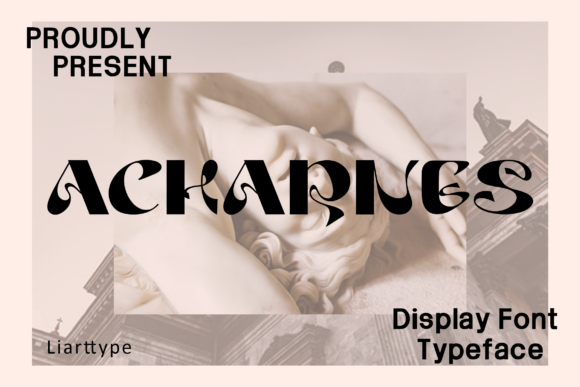
Archanes is not designed for body text or long-form reading. Instead, it occupies the category of display typefaces, which are engineered to be read at large sizes. The font's architecture features thick strokes and a strong presence that commands attention. Its "assertive touch" refers to the confident weight and sharp edges that prevent the letters from appearing weak or passive when scaled up. This structural integrity makes it particularly effective in environments where the primary goal is to stop a viewer from scrolling or looking away.
The uniqueness of Archanes lies in its personality. Unlike neutral geometric fonts that aim for invisibility, Archanes introduces a stylistic flair that suggests confidence and modernity. It bridges the gap between traditional bold lettering and contemporary graphic trends, offering a look that feels both established and fresh. When integrated into a layout, it acts as a focal point, anchoring the composition with its sheer visual mass.
Strategic Applications and Industry Fit
Designers often seek out Archanes for specific use cases where hierarchy and impact are paramount. The following sectors and formats represent the most logical fits for this typeface:
- Fashion Magazines: In editorial layouts, headlines require a balance of elegance and edge. Archanes provides the necessary weight to make cover lines pop against complex imagery without sacrificing readability.
- Logo Design: Brands seeking a memorable identity often utilize bold display fonts. Archanes can serve as the core typographic element for logos in lifestyle, entertainment, or creative agencies, conveying a sense of authority.
- Photography Galleries: When pairing typography with high-resolution imagery, a font like Archanes complements the detail of the photos rather than competing with them. Its clean lines allow the subject matter to remain central while providing a structured frame.
- Landing Pages: In web design, the hero section requires an immediate hook. Archanes is highly suitable for main headlines on landing pages, ensuring the value proposition is communicated instantly.
- Flyers and Posters: For physical marketing materials, legibility from a distance is critical. The bold nature of Archanes ensures that key information remains visible even in peripheral vision.
By adding Archanes to these creative ideas, designers can notice how the overall composition shifts. The font tends to elevate the perceived quality of the work, giving it a polished, professional finish that stands out in crowded marketplaces.
Benefits and Functional Advantages
The primary benefit of selecting Archanes is its ability to create instant hierarchy. In a world saturated with content, the assertiveness of this font cuts through the noise. It reduces the need for additional graphical elements, such as boxes or lines, to draw attention to a headline. Furthermore, its versatility across various media—from print flyers to digital screens—makes it a practical asset for multi-channel campaigns.
Another advantage is the emotional resonance it brings to a project. The unique character of Archanes conveys a tone of confidence and innovation. For brands aiming to position themselves as leaders or disruptors, this typographic choice aligns well with their strategic messaging. It allows designers to communicate a brand ethos without relying solely on color or imagery.
Tradeoffs and Critical Considerations
While Archanes offers significant advantages, it is not a universal solution. Designers must carefully consider the tradeoffs associated with using a bold display font. The most significant limitation is its lack of suitability for extended text. Using Archanes for paragraphs or small captions will result in poor readability and user fatigue. The heavy stroke weight can cause ink trapping issues in low-quality printing if not managed correctly, potentially leading to blurry details.
Additionally, the assertive nature of the font can become overwhelming if overused. If every headline in a document utilizes Archanes, the design loses contrast and becomes visually monotonous. It is crucial to pair this typeface with lighter, more neutral fonts for supporting text to maintain a balanced composition. Without this contrast, the design may appear aggressive rather than authoritative.
Another consideration is the context of the audience. While Archanes works well for fashion and creative industries, it may be too informal or loud for sectors requiring a conservative tone, such as legal services or healthcare. In these contexts, the font might undermine the seriousness of the message.
Situations Where Alternatives May Be Preferred
There are scenarios where Archanes may not be the optimal choice, and alternative typefaces should be evaluated. If a project requires a wide range of weights (from thin to black) to support complex typographic systems, Archanes might fall short compared to comprehensive variable font families. Similarly, for international projects requiring extensive language support, designers must verify the character set availability, as some display fonts have limited glyph coverage compared to standard system fonts.
When the design goal is minimalism or subtlety, a font with a lighter weight or a more neutral geometry might be more appropriate. If the objective is to blend seamlessly into the background to let the content speak, a utilitarian sans-serif would be a better fit than the distinctive Archanes. Furthermore, in mobile-first designs with very small viewport sizes, the detailed features of Archanes may not render clearly, necessitating a simpler, more robust font family.
Practical Decision-Making Insights
To determine whether Archanes aligns with your goals, start by defining the primary function of the typography. Ask yourself if the text needs to be read quickly at a glance or if it requires sustained engagement. If the former, Archanes is likely a strong candidate. If the latter, prioritize readability over style.
Evaluation should also involve testing the font in its intended environment. Create mockups for both digital and print formats to see how the weight interacts with your specific color palette and imagery. Pay attention to the spacing; bold fonts often require generous tracking to avoid feeling cramped. If the design feels cluttered after implementation, the font may be too dominant for the specific layout.
Finally, consider the longevity of the design. Trends in typography shift rapidly. While Archanes currently fits the aesthetic of bold, assertive branding, ensure that its style does not date the project too quickly. A font that is too trendy may feel outdated within a few years, whereas a more classic bold typeface might offer longer relevance.
In conclusion, Archanes is a powerful tool for designers seeking to make a statement. Its unique and assertive touch makes it ideal for headlines, logos, and promotional materials in creative fields. However, its effectiveness relies on disciplined application. By understanding its strengths, acknowledging its limitations, and comparing it against other options, designers can make informed decisions that enhance their projects and achieve their communication goals.