Qolling Font Evaluation
In the landscape of digital typography, selecting the right typeface is often a balance between aesthetic appeal and technical functionality. Qolling emerges as a specific option for designers seeking a bold, modern, and thick lettered display font. Unlike standard body text fonts that prioritize readability over style, Qolling is designed to make an immediate visual statement. This evaluation explores the characteristics of the font, its technical specifications, and the practical scenarios where it serves as a strong fit or where alternative solutions might be more appropriate.
Understanding the Design Philosophy
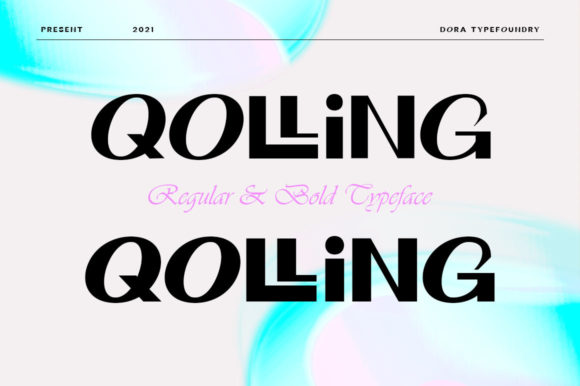
At its core, Qolling is classified as a display font. Display typefaces are intended for use at large sizes, such as headlines, posters, logos, and packaging, rather than for long-form reading. The defining characteristic of Qolling is its weight; it is described as thick and bold. This substantial stroke width gives the letters a physical presence on the page, commanding attention from the viewer. The design language is modern, utilizing clean lines and a structured form that avoids unnecessary ornamentation while maintaining a distinct personality.
The "bold" nature of this font suggests a high x-height and open counters, which contribute to its legibility even when scaled down slightly, though its primary strength remains in large-scale applications. When used confidently in a project, the visual impact is immediate. However, because the font relies heavily on its weight and form, it does not offer the subtlety required for body copy. Designers must approach Qolling with the understanding that it is a tool for emphasis and hierarchy, not for continuous text.
Technical Specifications and Accessibility
One of the most significant technical advantages of Qolling is its encoding method. The font utilizes PUA (Private Use Area) encoding. In the context of web development and desktop publishing, standard Unicode characters cover a vast range of common symbols, but specialized typographic features often require access to glyphs outside this standard set. PUA encoding allows the font designer to map these additional characters to unused code points within the Unicode block.
This technical choice has direct implications for the user experience. Because Qolling is PUA encoded, users can access all available glyphs and swashes with ease, provided the software environment supports the specific mapping. Swashes are decorative flourishes often attached to ascenders or descenders, adding a layer of elegance or flair to the otherwise geometric structure of the letters. For a designer looking to add unique touches to a logo or a headline without manually drawing each variation, having these swashes readily accessible via the keyboard or OpenType features is a considerable benefit. It streamlines the workflow, allowing for rapid iteration on designs that require a custom look.
Strategic Applications and Strong Fits
Determining whether Qolling aligns with your goals requires identifying the specific communication needs of your project. This font excels in situations where visibility and impact are the primary objectives. The following scenarios represent strong fits for using Qolling:
- Event Branding and Posters: For concerts, festivals, or product launches, the goal is to grab attention quickly. The thick lettering of Qolling ensures that headlines are readable from a distance and convey energy.
- Logo Design: Brands that wish to project stability, strength, or a modern industrial feel may find the heavy strokes of Qolling suitable for their primary mark. The lack of fine details reduces the risk of the logo becoming muddy when printed on small merchandise.
- Editorial Headlines: In magazine layouts or website hero sections, Qolling can serve as a powerful anchor. It breaks up the monotony of standard sans-serif headlines and adds a distinctive character to the publication's voice.
- Packaging Design: On retail shelves, products need to stand out against competitors. A thick, modern display font like Qolling can create a shelf-dominating effect, ensuring the brand name is the first thing a consumer notices.
Tradeoffs and Considerations
While Qolling offers distinct advantages, every typeface comes with tradeoffs that must be weighed during the selection process. The most significant limitation of Qolling is its versatility. Due to its extreme weight and display-oriented nature, it is generally unsuitable for body text. Attempting to use it for paragraphs will result in poor readability, eye strain, and a cluttered visual appearance. The density of the ink on the page creates a "visual noise" that interferes with the flow of reading.
Another consideration involves the PUA encoding. While this provides access to extended glyphs, it can sometimes present compatibility challenges across different operating systems or older software versions. If a recipient of a file does not have the specific font installed or if the software does not correctly interpret the Private Use Area codes, the swashes and special glyphs may revert to default characters or appear as boxes. Designers must ensure that the final output format preserves these features or that the client has the necessary font files embedded or linked correctly.
Furthermore, the "modern" aesthetic of Qolling may not align with brands seeking a traditional, vintage, or organic look. Its clean, thick lines suggest efficiency and contemporary design trends. Using it for a project requiring a hand-written, serif, or delicate feel would likely result in a mismatch between the message and the medium.
Evaluating Alternatives
If Qolling does not meet specific requirements, several alternative approaches should be considered. If the primary need is a bold display font but with better cross-platform compatibility, a standard Unicode-encoded font family might be preferable. Many modern display families offer extensive ligature sets and swash capabilities without relying on PUA encoding, reducing the risk of rendering issues.
For projects requiring both a bold headline and a complementary body text, a single font family that includes multiple weights is often a safer choice. Using a system where the same typeface exists in light, regular, bold, and black weights ensures visual harmony throughout the document. Qolling, being a display-only solution, necessitates pairing with another typeface for any supporting text, which adds complexity to the design system.
Additionally, if the project involves multilingual support beyond basic Latin characters, the scope of the PUA encoding must be carefully reviewed. Some PUA fonts are limited to specific glyph sets. If the project requires Cyrillic, Greek, or other scripts, verifying the complete coverage of Qolling is essential before committing to the license.
Decision-Making Insights
To determine if Qolling is the right choice, designers should ask themselves a series of practical questions. Does the project rely heavily on large-scale typography? Is the visual tone aggressive, modern, and confident? Are there technical constraints regarding font embedding or cross-device viewing? If the answer to the first two is yes, and the third is manageable, Qolling is a viable candidate.
Conversely, if the project demands a versatile typeface that handles both headlines and body text, or if the audience includes users with older technology who cannot render PUA characters reliably, alternatives should be prioritized. The decision ultimately rests on the balance between the desired aesthetic impact and the functional requirements of the distribution channel.
In conclusion, Qolling is a specialized tool in the typographer's arsenal. It is not a universal solution, but for the right application, its bold, thick lettering and accessible swashes provide a powerful means of communication. By understanding its strengths in display contexts and its limitations regarding body text and encoding compatibility, designers can confidently integrate it into projects where it will deliver the intended results.