Ashlyn: Why This Modern Handwritten Font Is the Missing Piece in Your Design Toolkit
Choosing the right typography can feel like navigating a maze of endless options, where every font promises to be the "perfect" choice for your project. You might have scrolled through hundreds of typefaces, only to find that most lack the genuine warmth or the specific character you need to make your message resonate. Ashlyn is different. It is a modern handwritten font designed not just to look good on a screen, but to bring a human touch to digital and print media. Whether you are a small business owner crafting a brand identity, a blogger trying to connect with readers, or a marketer creating social assets, Ashlyn offers a level of personality that standard sans-serifs often miss.
However, simply downloading a font and slapping it onto a logo isn't enough. There are common pitfalls when integrating handwritten styles into professional workflows that can unintentionally undermine your credibility. Many users overlook technical details like encoding standards, assuming all fonts behave the same way. When you choose a font without understanding its capabilities, you risk ending up with a design that looks amateurish or breaks across different platforms. By understanding what makes Ashlyn unique and how to use it correctly, you can elevate your creative projects from good to exceptional.
The Allure of Modern Handwriting and Why It Matters
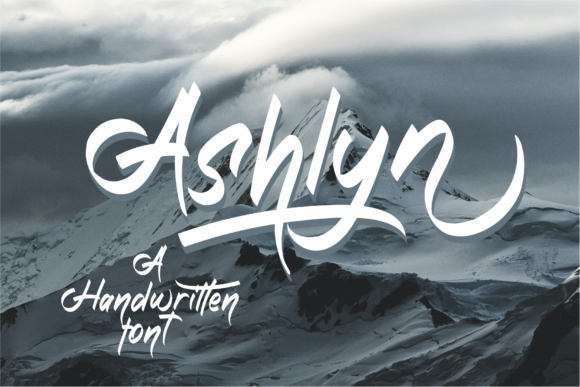
In an era dominated by sterile, uniform digital interfaces, handwriting has become a powerful tool for differentiation. It signals authenticity, effort, and a personal connection. Ashlyn captures this essence perfectly. Unlike older script fonts that mimic quill pens or calligraphy, Ashlyn features a contemporary flair that feels fresh and accessible. This makes it versatile enough for wedding invitations, yet robust enough for modern branding campaigns.
When you add Ashlyn to your creative projects, you aren't just selecting a typeface; you are choosing a voice. It allows you to convey emotion without saying a word. For educators creating lesson plans, freelancers designing portfolios, or entrepreneurs pitching ideas, this font helps bridge the gap between professional polish and approachable charm. The generated outcome is rarely disappointing because the letterforms are crafted with a balance of structure and fluidity that prevents the text from looking messy or hard to read.
Common Pitfalls When Selecting and Using Script Fonts
Even experienced designers can stumble when introducing handwritten elements into a layout. One of the most frequent mistakes is ignoring the technical architecture of the font file. Many popular scripts are basic TrueType or OpenType files that limit access to alternative characters. If you try to use a standard font to create a custom look, you will likely find yourself stuck with the default letters, unable to swap out a simple 'a' for a more decorative version.
This limitation directly affects the quality of your final output. A design that lacks variety can appear flat and repetitive. Furthermore, using a font that doesn't support advanced features can lead to alignment issues or broken text when moving files between different software applications. Another common error is overusing the font. Because Ashlyn is so expressive, there is a temptation to apply it everywhere. However, if every headline, body paragraph, and button uses the same handwritten style, the visual hierarchy collapses, and your audience may struggle to distinguish important information from decorative text.
Cost is another area where beginners often make poor decisions. Some users assume that free fonts are always safe, only to discover later that they lack necessary glyphs or have restrictive licensing terms. Conversely, paying for a premium font without verifying its feature set can lead to wasted investment. Before purchasing or downloading, you must evaluate whether the font actually meets your specific needs regarding glyph count, language support, and stylistic alternates.
The Technical Advantage: PUA Encoding Explained
One of the defining features of Ashlyn is its PUA (Private Use Area) encoding. If you are unfamiliar with this term, it refers to a specific section of the Unicode standard reserved for custom character mappings. In simpler terms, PUA encoding means that Ashlyn includes a vast library of swashes, ligatures, and alternate glyphs that are not found in standard font libraries.
Why does this matter for your work? With PUA encoding, you gain full control over the visual narrative of your text. You can easily access complex swashes and flourishes that add elegance to your designs without needing external graphic editing tools. This accessibility ensures that you can achieve a high-end, bespoke look efficiently. Without this encoding, you would have to manually trace or draw each variation, which is time-consuming and prone to inconsistency.
When you utilize the full range of Ashlyn's glyphs, you avoid the "one-size-fits-all" trap. For example, if you are designing a menu for a restaurant, you can use a casual swash for the header while keeping the item descriptions clean and readable. This flexibility enhances usability and efficiency, allowing you to tailor the font to the context of the project rather than forcing the project to fit the limitations of the font.
Practical Strategies for Better Typography Choices
To ensure you get the best results from Ashlyn, start by testing the font in your actual workflow before committing to a large-scale project. Check how it renders in both web browsers and print layouts. Look specifically at how the PUA-encoded characters interact with your other typefaces. Do they complement each other, or do they clash? A harmonious pairing often involves contrasting a handwritten style with a neutral sans-serif to maintain readability.
- Verify Licensing: Always read the license agreement. Ensure that the font covers your intended use, whether it is for commercial products, client work, or internal presentations.
- Check Glyph Coverage: Open the font in your editor and browse the character map. Confirm that the swashes and alternates you desire are present and accessible via PUA encoding.
- Test Readability: Don't sacrifice clarity for style. Test Ashlyn at small sizes to ensure the details don't blur or become illegible.
- Limit Usage: Use Ashlyn for headlines, pull quotes, or short phrases. Reserve body text for highly legible, neutral fonts to guide the reader's eye effectively.
By following these steps, you avoid the frustration of discovering incompatibilities late in the production process. This proactive approach saves time and money while ensuring a polished final product. Remember, the goal is to enhance communication, not to distract from it.
Making the Right Decision for Your Creative Needs
Evaluating a font like Ashlyn requires looking beyond the initial preview. Consider the longevity of the design. Will this font still look relevant in two years? Does it align with your brand's long-term vision? Because Ashlyn is modern and timeless, it tends to age well, avoiding the dated look of overly trendy scripts.
For professionals, the ability to access all glyphs with ease is a significant advantage. It streamlines the design process, allowing you to focus on creativity rather than technical workarounds. Whether you are a hobbyist making personalized gifts or a marketer running a global campaign, having a reliable, feature-rich font in your arsenal gives you the confidence to execute your vision. When you pair the aesthetic appeal of Ashlyn with a thoughtful application strategy, the result is a design that feels intentional, professional, and deeply engaging.
Take the time to explore the full potential of this typeface. Avoid settling for generic options that limit your expression. By understanding the technical benefits of PUA encoding and respecting the rules of typographic hierarchy, you can integrate Ashlyn into your projects with confidence. The outcome will be a collection of work that stands out for its quality and character, proving that the right font choice truly makes all the difference.