Calipers: A Bold Display Font for High-Impact Design
In the crowded landscape of digital and print design, selecting the right typography is often the difference between a message that is ignored and one that resonates. Among the myriad of options available to graphic designers, Calipers stands out as a distinctive choice for projects requiring immediate visual authority. It is not merely a typeface; it is a statement tool designed for bold, rough textured, and thick lettered display applications.
When evaluating font families, professionals often look beyond basic legibility to consider emotional impact and brand alignment. Calipers offers a unique aesthetic that bridges the gap between industrial ruggedness and modern artistic flair. This article explores the specific characteristics of this display font, examines its practical applications in menus, posters, and flyers, and helps you determine when it is the optimal choice compared to other typographic styles.
Understanding the Distinctive Character of Calipers
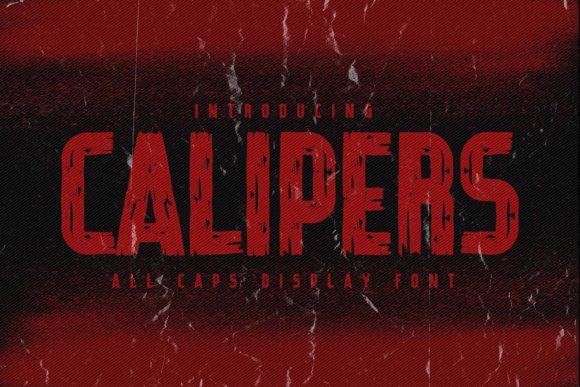
To understand why Calipers fits certain design briefs better than others, one must first analyze its structural DNA. Unlike standard sans-serif or serif fonts that prioritize neutrality and readability at small sizes, Calipers is engineered for scale. Its defining feature is the rough texture applied to the letterforms. This texture mimics the look of worn concrete, distressed metal, or hand-carved wood, adding a tactile quality to the digital file.
The thickness of the strokes is equally significant. The heavy weight ensures that the characters command attention from a distance, making them ideal for headlines where visibility is paramount. However, this boldness comes with a tradeoff: Calipers is strictly a display font. It is not intended for body text or long-form reading. Instead, it serves as a visual anchor. When used correctly, the combination of its rough edges and substantial width creates an atmosphere of authenticity and durability.
This font appeals to audiences who value raw, unpolished aesthetics. In an era where many designs feel overly sanitized and corporate, Calipers introduces a sense of grit and history. It suggests that the content it frames is grounded, real, and substantial.
Visual Impact vs. Readability Tradeoffs
One of the primary considerations when choosing a display font like Calipers is the balance between style and function. While the rough texture adds character, it can occasionally reduce legibility if the background contrast is low or if the text size is too small. Designers must be strategic about usage.
- Best Case: Large headlines on high-contrast backgrounds where the texture enhances the mood without obscuring the letters.
- Risk Area: Small subheadings or navigation bars where the rough edges might cause visual noise or eye strain.
Unlike clean geometric fonts that offer perfect clarity, Calipers requires a more thoughtful approach to layout. The designer must ensure that the negative space around the letters allows the texture to breathe. If the elements are too cramped, the rough edges may bleed together, creating a muddy appearance that undermines the intended boldness.
Strategic Applications in Print and Digital Media
The versatility of Calipers lies in its ability to adapt to various contexts while maintaining its core identity. Its thick, textured nature makes it particularly effective in industries where strength, tradition, or artisanal quality are key selling points. Below are specific scenarios where this font excels compared to smoother alternatives.
Food Menus and Culinary Branding
In the restaurant industry, the menu is often the first physical touchpoint a customer has with the establishment. A smooth, minimalist font might suggest a fine-dining experience, but a rough, thick font like Calipers tells a different story. It implies hearty portions, rustic ingredients, and a no-nonsense approach to cooking.
For establishments serving burgers, steaks, BBQ, or craft beers, Calipers can elevate the perceived value of the food. The texture evokes the feeling of a grill mark or a wooden cutting board. When paired with warm colors like deep reds, burnt oranges, or charcoal grays, the font reinforces the sensory experience of the meal before the customer even takes a bite. In contrast, using a delicate script or a thin sans-serif here might create a disconnect between the visual promise and the culinary reality.
Posters and Event Flyers
Marketing materials such as event posters need to stop people in their tracks within seconds. Calipers is uniquely suited for this purpose due to its high visual weight. On a crowded street or a busy social media feed, a thin font gets lost. The thick lettering of Calipers cuts through the clutter.
Consider a music festival poster for a rock band or a community fair announcement. The rough texture aligns perfectly with themes of energy, rebellion, or grassroots organization. It conveys urgency and importance. While other display fonts might look polished and professional, Calipers feels human and accessible. This distinction is crucial for events aiming to build a community rather than just advertise a product.
Branding and Packaging
Beyond temporary print materials, Calipers can serve as a cornerstone for brand identity. For products that emphasize natural ingredients, handmade craftsmanship, or outdoor utility, this font provides a visual shorthand for those values. Think of packaging for artisanal coffee, specialty hot sauces, or outdoor gear.
When comparing Calipers to standard block fonts, the added texture provides a layer of sophistication that flat colors lack. It suggests that the product inside has been crafted with care and attention to detail. However, brands seeking a sleek, futuristic, or high-tech image would likely find Calipers too rustic and heavy. The decision ultimately depends on the narrative the brand wishes to tell.
Evaluating Alternatives and Contextual Fit
No single font is a universal solution. When evaluating whether Calipers is the right tool for your project, it is helpful to compare it against other typographic categories. Understanding these distinctions prevents the common mistake of forcing a style into a context where it does not belong.
Calipers vs. Clean Sans-Serif Fonts
Clean sans-serif fonts (like Helvetica or Arial) are the default choice for modern, corporate, and tech-oriented designs. They are neutral, highly readable, and versatile. If your goal is to convey efficiency, cleanliness, or minimalism, Calipers will work against you. The rough texture introduces "noise" that distracts from a message of precision.
However, if you want to soften the sterility of a corporate environment or add personality to a tech product, Calipers can be used sparingly as an accent. But generally, the two styles serve opposite ends of the spectrum. Choose clean sans-serifs for information density and Calipers for emotional resonance.
Calipers vs. Elegant Serifs and Scripts
Elegant serifs and scripts are often associated with luxury, fashion, and formal occasions. They rely on grace, flow, and refinement. Calipers, with its blocky, rough structure, is the antithesis of this elegance. Using Calipers for a wedding invitation or a high-end jewelry catalog would likely confuse the audience, suggesting a rugged, utilitarian vibe rather than exclusivity.
Conversely, there are niche markets where a rugged font can reframe luxury. For example, a luxury brand targeting an outdoorsy demographic might use Calipers to signal a different kind of premium—one based on durability and adventure rather than silk and velvet. The key is knowing your target audience's expectations.
Decision Factors for Designers
Before committing to Calipers for a new project, consider the following factors to ensure the font aligns with your goals.
- Read Distance: Will the text be viewed from afar? If yes, the thick weight of Calipers is advantageous. If the text needs to be read up close for long periods, avoid it.
- Brand Tone: Does your brand value authenticity and grit over polish and perfection? Calipers supports the former strongly.
- Color Palette: Rough textures interact differently with color. Dark, earthy tones enhance the texture, while pastel colors might clash with the aggressive nature of the font.
- Medium: How will the design be reproduced? Ensure the resolution is high enough to capture the rough details without pixelation, especially in large-format prints like banners or billboards.
Ultimately, the success of using Calipers depends on intentionality. It is a powerful tool that demands respect. When deployed in food menus, posters, flyers, or print materials where a strong visual presence is required, it delivers stunning results. By exploring its endless possibilities within the constraints of its style, designers can create work that stands out in a sea of generic templates.
Whether you are designing a flyer for a local brewery or a poster for a rugged outdoor adventure, Calipers offers a robust foundation for your creative vision. It invites the viewer to engage with the content on a deeper, more visceral level, proving that sometimes, the most effective communication comes from the boldest, roughest sources.