Kenoya: Elevating Your Designs with Authentic Japanese Calligraphy
When you are staring at a blank canvas or a digital workspace, the difference between a standard design and something that feels truly alive often comes down to a single element. That element is typography. For creators, entrepreneurs, and hobbyists looking to infuse their work with elegance and cultural depth, Kenoya offers a distinct advantage. This beautiful display font is inspired by the fluid strokes of traditional Japanese calligraphy, bringing an artistic soul to everything from greeting cards to high-end branding materials.
However, simply downloading a font does not guarantee success. Many designers make the mistake of treating display fonts as mere decorative afterthoughts rather than strategic communication tools. Using Kenoya without understanding its specific character can lead to designs that feel disjointed or, worse, culturally insensitive. To help you avoid these pitfalls, we need to look closely at how to integrate this typeface effectively into your workflow.
The Artistic Power of Kenoya in Modern Design
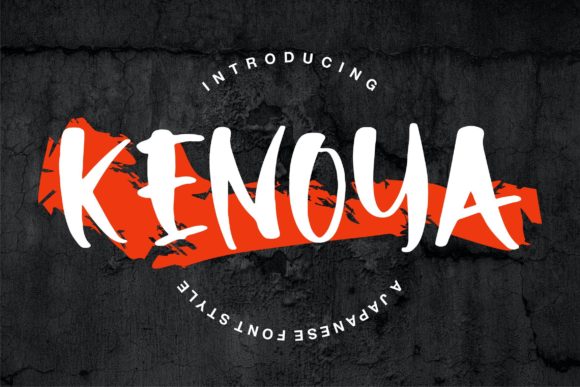
Kenoya is more than just a collection of characters; it is a visual representation of movement and emotion. Unlike rigid sans-serif fonts that prioritize legibility above all else, Kenoya invites the viewer to slow down and appreciate the artistry within each letter. Its brush-like strokes capture the imperfection and beauty found in hand-drawn ink, making it perfect for projects where personality is paramount.
Imagine a wedding invitation that needs to convey warmth and tradition. A standard serif might look too corporate, but Kenoya adds a layer of sophistication that feels personal. Similarly, for small business owners creating brand identity materials, using Kenoya on a logo or business card can instantly differentiate a brand in a crowded marketplace. It turns a simple business card into a tangible piece of art that people want to keep.
But here is where many professionals stumble: they assume that because a font looks "artistic," it can be used anywhere. This is a critical error. Display fonts like Kenoya have a specific role. They are meant to grab attention, set a mood, or serve as a focal point. When used correctly, they transform quotes, posters, and marketing headers into memorable experiences. When used incorrectly, they become unreadable noise.
Avoiding the Overuse Trap
One of the most common mistakes I see when evaluating design projects is the overuse of display fonts. It is tempting to apply Kenoya to every headline, subhead, and even body text because it looks so striking. However, this approach dilutes its impact. If everything is loud, nothing stands out.
Do not use Kenoya for long paragraphs of text. The intricate details of the brush strokes can cause eye strain when reading large blocks of content. Instead, reserve Kenoya for short phrases, titles, or key messages. Pair it with a clean, neutral sans-serif or a classic serif for your body copy. This contrast creates a balanced hierarchy that guides the reader's eye naturally through your content.
Consider a poster design for a local art gallery. You might use Kenoya for the event title to evoke the feeling of creativity, but switch to a simple, legible font for the date, time, and location. This ensures that while the design captures attention, the essential information remains accessible. This balance is crucial for maintaining professionalism and ensuring your message is actually received.
Cultural Sensitivity and Contextual Usage
Because Kenoya is deeply rooted in Japanese aesthetics, there is a responsibility to use it with respect. A frequent misunderstanding among beginners is treating Japanese-inspired fonts as a generic "exotic" style without considering the context. While Kenoya is a Latin-based display font designed for Western languages, its aesthetic carries cultural weight.
If you are designing for a project that has no connection to the themes of harmony, nature, or craftsmanship, forcing Kenoya into the design can feel jarring and inappropriate. It is not just about matching colors or shapes; it is about aligning the visual language with the underlying message. Using a font inspired by Zen gardens for a high-energy tech startup might confuse your audience rather than inspire them.
To ensure your design resonates positively, ask yourself what story you are telling. Is it a story of gratitude? Elegance? Creativity? Kenoya excels in scenarios involving thank you cards, luxury branding, or artistic expressions. If your project requires a tone that is modern, industrial, or playful, other typefaces might serve you better. Understanding this distinction prevents you from wasting time on a design direction that will ultimately fail to connect with your target audience.
Evaluating Readability and Legibility
Another area where users often face challenges is legibility. The flowing lines of Kenoya can sometimes blur together, especially at smaller sizes or on low-resolution screens. Before finalizing any project, always test your font choices across different mediums.
Check your usage scenarios:
- Print vs. Digital: How does the font look on a glossy magazine page compared to a mobile phone screen?
- Size Variations: Does the font lose detail when scaled down for social media icons or email signatures?
- Contrast: Is there enough contrast between the font color and the background to ensure readability?
I have seen numerous projects where a designer fell in love with Kenoya's appearance in a mockup, only to find that the fine details vanished when printed on cheap paper or viewed on a smartphone. By checking these factors early in the process, you save yourself from costly reprints and frustrated clients.
Making the Right Choice for Your Project
Before you commit to Kenoya for your next creative idea, take a moment to evaluate your specific needs. Are you looking for a font that commands authority? Or one that whispers elegance? Kenoya falls firmly into the latter category. It is ideal for greeting cards, thank you notes, and branding materials that aim to establish a premium or artisanal feel.
If you are a freelancer or a small business owner, investing in the right typography is an investment in your brand's perception. A well-chosen font like Kenoya can elevate a basic flyer into a professional brochure, signaling to your customers that you pay attention to detail. Conversely, choosing a font that clashes with your brand values can undermine your credibility.
Remember that good design is often about subtraction rather than addition. Don't add Kenoya just because you have it. Add it because it solves a problem or enhances a message. When you pair it thoughtfully with complementary elements, you turn any creative idea into a true piece of art. Whether you are designing a wedding suite, a boutique logo, or an inspiring quote graphic, let Kenoya guide your vision toward something beautiful and meaningful.
By avoiding common mistakes like overuse, ignoring cultural context, and neglecting legibility checks, you ensure that your designs remain effective and impactful. Take the time to understand the tool you are using, and let the unique character of Kenoya shine through in ways that honor both its origins and your creative intent.