Shinobi: The Aggressive Display Font Defining Modern Horror and Brand Identity
In the competitive landscape of visual communication, typography serves as more than just a vehicle for text; it is a primary emotional trigger. Among the myriad of typefaces available to designers, Shinobi stands out as a formidable choice for projects demanding immediate impact and visceral intensity. Characterized by its horror-styled aesthetics and aggressive display structure, this font has carved a niche for itself in industries where standard sans-serifs or serifs fail to convey the necessary gravity.
The versatility of Shinobi extends far beyond simple decoration. It functions as a powerful tool for corporate identity when used strategically, yet it retains an inherent edge that makes it perfect for the entertainment sector. Whether applied to apparel industry branding, movie posters, or comic book titles, the font's unique characteristics allow it to command attention instantly. This article explores the functional applications, design philosophy, and strategic implementation of Shinobi across various professional and creative domains.
The Aesthetic Architecture of Aggression
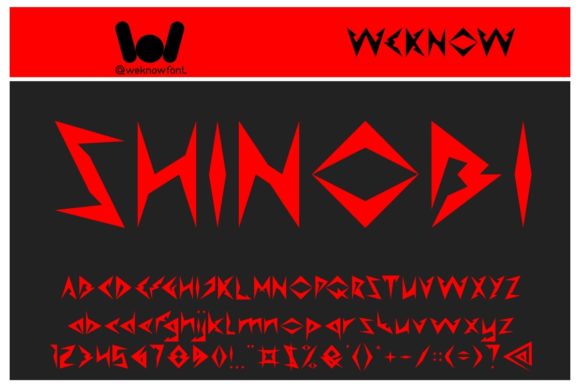
To understand why Shinobi works so effectively, one must first analyze its structural DNA. Unlike traditional fonts that prioritize legibility above all else, display fonts like Shinobi are engineered to evoke a specific mood before the reader even processes the semantic meaning of the words. The aggressive nature of the glyphs suggests movement, danger, and power. The strokes are often sharp, with high contrast between thick and thin lines that create a sense of tension.
This aesthetic architecture is particularly well-suited for the horror genre. In film and gaming, the title card is often the first point of contact between the audience and the narrative. A font like Shinobi sets the tone immediately, signaling to the viewer that they are about to enter a world of suspense, fear, or conflict. The jagged edges and distorted forms mimic the chaotic energy found in supernatural narratives, making it a natural fit for game interfaces, magazine covers, and book bindings that deal with thriller or horror themes.
However, the "aggressive" label does not limit the font to dark content alone. In the right context, this same aggression translates to strength and authority. For brands looking to project an image of resilience or cutting-edge innovation, the bold presence of Shinobi can differentiate them from competitors who rely on safe, conventional typography. It breaks the visual monotony of the digital space, forcing the eye to stop and engage.
Strategic Applications in Media and Entertainment
The most visible application of Shinobi is undoubtedly within the media and entertainment sectors. Here, the stakes for visual impact are incredibly high. Designers working on movie posters, music album covers, and video game packaging require a typeface that can survive the reduction to thumbnail size while maintaining its character.
- Movies and Game Titles: When designing a title sequence for a horror movie or an action-packed video game, the typography must resonate with the target demographic. Shinobi provides a texture that feels tactile and dangerous. Its ability to handle stylization allows for effects like dripping blood, cracks, or distortion without losing the core integrity of the letterforms.
- Music Industry: In the genres of metal, punk, and industrial electronic music, the visual identity is just as important as the audio. Band logos and tour posters utilizing Shinobi convey a raw, unfiltered energy that aligns perfectly with the sonic aggression of these musical styles.
- Comics and Cartoons: Sequential art relies heavily on sound effects and dynamic titles. The explosive nature of Shinobi makes it ideal for onomatopoeia (e.g., "BOOM," "CRASH") and chapter headers. It adds a layer of kinetic energy to static pages, guiding the reader's eye through the action sequences.
For creators in these fields, the font acts as a collaborator in storytelling. It does not merely label the work; it enhances the narrative atmosphere. By choosing Shinobi, a director or artist signals a commitment to a specific tonal quality, ensuring that the visual language matches the auditory and thematic elements of the production.
Corporate Identity and Brand Differentiation
While horror and entertainment are obvious homes for such a distinct typeface, the use of Shinobi in corporate identity and brand strategy offers a fascinating case study in differentiation. In a market saturated with clean, minimalist designs, a brand that adopts an aggressive font creates an immediate point of distinction.
Consider the apparel industry. Streetwear brands and athletic companies often seek to embody rebellion, speed, or dominance. Using Shinobi in their logo design or on product tags communicates a message of exclusivity and edge. It transforms a garment from a mere commodity into a statement piece. The font's boldness ensures that the brand remains memorable even in crowded retail environments or on social media feeds where users scroll rapidly.
Furthermore, Shinobi can be utilized in corporate identity for companies that want to emphasize their disruptive nature. Tech startups challenging established norms, security firms emphasizing protection, or construction companies highlighting strength might find value in the font's assertive posture. However, this requires a delicate balance. The aggressive style must be paired with a layout that maintains readability and professionalism. Overuse or poor pairing with body text can lead to visual fatigue, undermining the brand's credibility.
The key lies in selective application. Using Shinobi for headlines, slogans, and key visual assets while relying on neutral, highly legible fonts for detailed information creates a sophisticated hierarchy. This approach leverages the emotional pull of Shinobi without sacrificing the clarity required for business communication.
Implementation Guidelines for Professionals
For educators, researchers, and hobbyists looking to incorporate Shinobi into their projects, understanding the technical nuances of implementation is crucial. Typography is not a one-size-fits-all solution; the success of the design depends on how the font interacts with other elements.
- Pairing Strategy: Because Shinobi is a display font with high visual weight, it should generally not be paired with other heavy or decorative fonts. The best results come from contrasting it with clean, understated typefaces. A geometric sans-serif or a classic serif can provide the necessary breathing room, allowing the Shinobi headline to shine without creating visual chaos.
- Scale and Spacing: The effectiveness of Shinobi is often tied to scale. At small sizes, the aggressive details may become muddy or illegible. Designers should reserve the font for large displays, signage, and headlines. Additionally, kerning (the spacing between characters) needs careful adjustment. Tight tracking can enhance the feeling of unity and pressure, while wide tracking can lend a sense of ominous grandeur.
- Contextual Relevance: Before applying Shinobi, professionals must ask if the font serves the content. Using a horror-styled font for a cheerful children's book or a medical brochure would be counterproductive and confusing. The font must align with the underlying message of the project. If the goal is to inform or soothe, Shinobi may be too jarring. If the goal is to thrill, warn, or excite, it is an excellent candidate.
Designers working on magazines and books should also consider the cultural connotations of the font. In modern publishing, Shinobi can signal a shift towards edgier, more experimental content. It tells the reader that the material inside is likely unconventional or intense. This expectation setting is vital for managing audience engagement.
The Evolution of Display Typography Trends
The rise of fonts like Shinobi reflects a broader trend in graphic design toward expressive and emotive typography. As digital screens dominate our visual experience, there is a growing demand for type that cuts through the noise. Flat design and minimalism have dominated the web for over a decade, but audiences are increasingly craving personality and depth.
This shift has opened doors for display fonts that were once considered niche. The ability to customize and manipulate digital type allows designers to push the boundaries of what a font can do. Shinobi represents this evolution by offering a base that is both recognizable and malleable. It can be stretched, skewed, colored, and textured to fit the specific needs of a campaign while retaining its core identity.
For researchers studying visual communication, the popularity of such fonts indicates a psychological desire for authenticity and raw expression. Consumers are drawn to brands and media that feel human and imperfect, rather than sterile and manufactured. Shinobi, with its hand-crafted appearance and aggressive stance, taps into this desire for authenticity.
Conclusion: A Tool for Impactful Storytelling
In summary, Shinobi is more than just a font; it is a strategic asset for anyone looking to make a bold statement. Its horror-styled and aggressive display characteristics make it uniquely suited for a wide range of applications, from the adrenaline-fueled world of gaming and movies to the competitive arenas of fashion and corporate branding. By understanding its strengths and limitations, professionals can harness its power to create designs that are not only visually striking but also emotionally resonant.
Whether you are a business owner rebranding your company, a creator designing a comic series, or an educator illustrating a lesson on visual hierarchy, Shinobi offers a versatile solution. It challenges the status quo and invites the audience to pay attention. In a world where attention is the most scarce resource, the ability to command a gaze is invaluable. With thoughtful implementation, Shinobi can elevate any project from the mundane to the memorable.